

It is regrettable to see the differences in the handling of the emergency situation in the coronavirus pandemic between different countries around the world. But what is worrying is the attitude of the Spanish political and health authorities in the face of this crisis, as they strive time and again to distort the facts and data in order to minimise its stark reality. A mixture of cowardice and misunderstood paternalism that justifies, in the eyes of some, the absence of courageous decisions. The Spanish authorities' determination to deceive the public stands in sad contrast to the realistic and serious warnings of other governments and global health organisations.
.
La propia Ministra Portavoz del Gobierno Maria Jesús Montero ha declarado en distintos medios de comunicación, y sin ningún rubor, que el Covid-19 no es más que una «nueva gripe, parecida a la gripe habitual y con un porcentaje de mortalidad incluso más bajo que el de la gripe normal» (for example in minute 10 of the following interview with him on RAC1 last week).
.
.
La lamentable realidad es que la mortaldad de este virus es muy superior al de la gripe estacional. Y cualquier científico bien informado, cuyo rigor no se vea contaminado por las consignas políticas del gobierno, admitirá cifras estadísticas entorno a 3 o 4 fallecimientos por cada 100 infectados. Algunas autoridades españolas manejan cifras de mortalidad de gripe normal del 2%, pero respecto a ingresados en hospitales y no respecto a infectados, inflando así la tasa de mortalidad y haciéndola incomparable con la del Covid-19. Por otro lado, también maliciosamente, proclaman que la mortalidad del coronavirus es del 0,7%, tomando las cifras de muertes resepecto a infectados justo al inicio de la epidemia en Europa, con lo cual los enfermos que van a morir todavía no lo han hecho. Para dejar aún más en evidencia a la ministra, ahí va la comparativa oficial entre la tasa de mortalidad de la gripe común y el Covid-19 dela CDC norteamericano:

.
However, some news which many people dismiss as being tremendist, infodemic or fake news, are in line with what is published in the majority of the world's media. international media with up-to-the-minute timelines of any new developments regarding the coronavirus,and spare no means or adjectives to keep the people of their respective countries on alert and on the lookout for health emergency. Because this state of alert and emergency does indeed punish the economy in the short term, but it saves lives. Thus, countries such as the US, where the spread of the virus is currently still proportionally lower than in Spain, are giving unequivocal instructions to their citizens to be prepared for imminent confinement o emergency situation This is because, mortality rate aside, what is clear is that this coronavirus is highly contagious, and its spread across the planet is unstoppable. Mortality rates aside, what is very clear is that this coronavirus is highly contagious, and its spread across the planet is unstoppable. That is why responsible governments are alerting and preparing their citizens for a massive infection. According to the calculations of Harvard Professor of Epidemiology Marc Lipsitch, entre un 20 y un 60% de la población mundial se va a infectar del coronavirus si no tomamos medidas drásticas como ha hecho China y/o no surge un fármaco eficaz y viable para todo el mundo. Y a la espera de ese fármaco, nuestra única opción es ralentizar la pandemia. Eso supone, aún con tasas de mortalidad optimistas, millones y millones de muertes en todo el planeta, con un coste a todos los niveles brutal. Qué contraste con las declaraciones happy flowers de nuestros ministros y portavoces sanitarios que siguen hablando de «nueva gripe que mata menos que la gripe normal», verdad?
.

.
It is undeniable that a realistic warning about what is coming makes the population radically modify its usual activity, and with it consumption, productivity and therefore the economy plummets, as has happened in China. But courageous (albeit belated) measures, such as those taken and implemented with martial rigour by Xi Jinping, will save his country's economy in the medium and long term. Because an uncontrolled epidemic, with the mortality rate that this coronavirus entails, would have a far greater impact on the economy in the medium term than the short-term slump. Economically we could see a V-shaped economic downturn and recovery, but without bold measures by the already growth-anemic developed economies, we in the West will not even see a U-shaped recovery.
.
In Italy, the epidemic is just a few weeks ahead of us, and yesterday the decision was taken,The government's decision to close all schools and universities in the country, albeit belatedly, was a belated one. In Spain, on the other hand, despite recognise at least 3 infections in children school-age children, the closure of schools is not (yet) being considered. Not only that, but in one case it was the mother who insisted time and time again that her daughter be tested for the coronavirus, while the health authorities kept telling her to find a family member (as both parents had to stay at home because they were infected) to take her to school normally! What a botched job we are doing on such a serious issue in which we all have so much at stake! Because the fact that the vast majority of children and young people overcome the infection with mild or even asymptomatic symptoms does not in any way prevent these children and young people from infecting their parents, grandparents and teachers. These are all groups that will suffer serious consequences and whose mortality is very high, as we have seen above. Moreover, it is absurd to try to contain the epidemic by keeping infected parents at home and letting their children, who are also infected but many of them do not know it, move freely in the streets, buses and other environments with which they usually interact.
.
 Otro ejemplo: En España las autoridades se han esforzado lo indecible para recalcar que los contagios existentes no eran comunitarios (contagiados locales) sino importados, de Italia, China, etc. Remarcaban insistentemente que eso era un detalle importantísimo, tratando de convencer a la población de que España estaba en una situación perfectamente controlada puesto que nuestros contagios eran todos importados, obviando que solo es cuestión de tiempo que se produzcan, como así ha sido, contagios comunitarios en España. No obstante, ante contagios cuyo origen no es importado, las autoridades españolas aún los califican como de «orígen desconocido», sin reconocer aún que son contagios ya comunitarios, es decir locales.
.
On the other hand, in the United Kingdom, despite having fewer people infected than in Spain today, there are already clearly warn The population should be made aware that community infections are an imminent reality and that the population needs to be aware of this in order to be better prepared.
.
Even in the American universities clearly warns that if students take advantage of spring break (similar to Easter holidays in Spain) to leave the country or visit areas with a high incidence of the virus, they will have problems to be readmitted back, unless they stay in the country for the rest of the year. two-week quarantine en una localización apta antes de volver a sus habitaciones del campus. Vamos, igualito que aquí…
.

.
La paradoja a la que se enfrentará ahora China es que deberá seguir cerrando sus fronteras (a personas, que no a mercancías) para evitar que, una vez controlada su epidemia doméstica, no les infecte de nuevo el virus, procedente ahora de países como los europeos donde la infección estará descontrolada por culpa de decisiones políticas tardías y cobardes. Por ello veremos antes la recuperación del valiente gigante asiático que la de la vieja y cobarde Europa, lo cual supone una oportunidad de inversión extraordinaria, como ya avanzamos en «Realistic coronavirus figures and the opportunities of an unfortunate crisis«. China comienza su senda back to business. And it does so having acquired a priceless technological know-how to handle the next health crises, as we can read in this WeekInChina article.
.
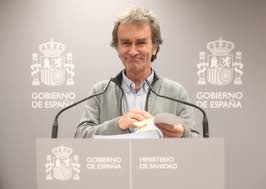
In short, the handling of information and alerts to the public say a lot about each country. And unfortunately in Spain we have authorities who are more concerned with bread for today than with deaths and hunger for tomorrow. They focus the State's communication efforts on keeping the population in the dark, who consequently live without any foresight in the face of a health emergency, i.e. without stockpiling food and medicines or any family or personal contingency plan whatsoever. Even the Director of the Alerts and Emergencies Coordination Centre, Fernando Simon, ha llegado a decir que ir con mascarilla por la calle es contraproducente porque la gente se reiría de nosotros o creerían que estamos infectados, insistiendo una y otra vez en que las mascarillas no nos protegen ante la infección de ninguna manera. Y a continuación admitiendo con la boca pequeña que si la población compra mascarillas, los profesionales sanitarios no tendrán suficientes, evidenciando que son un elemento de protección eficiente y necesario. Recordemos que en países como China son compulsory masks for the entire population in risk areas and punish those who go out on the streets without them. Other governments, such as the French or German directly confiscate or prohibit the export of facemasks so that their health professionals can have them, without treating their citizens as imbeciles by telling them that they are no protection against infection and that they will make fools of themselves if they put one on.
.
It is true that some young and healthy readers may dismiss this article as being tremendist, but they should bear in mind that although they would overcome the infection with hardly any symptoms, they would probably fatally infect other less healthy and younger people in their family and professional environment, or simply strangers with whom they share, for example, a simple public transport. In the end, it is better to continue informing ourselves in international media and preparing ourselves for the worst, while we cross our fingers that we will soon have a medication available to everyone that will reduce the real mortality rate to the levels of a simple flu.